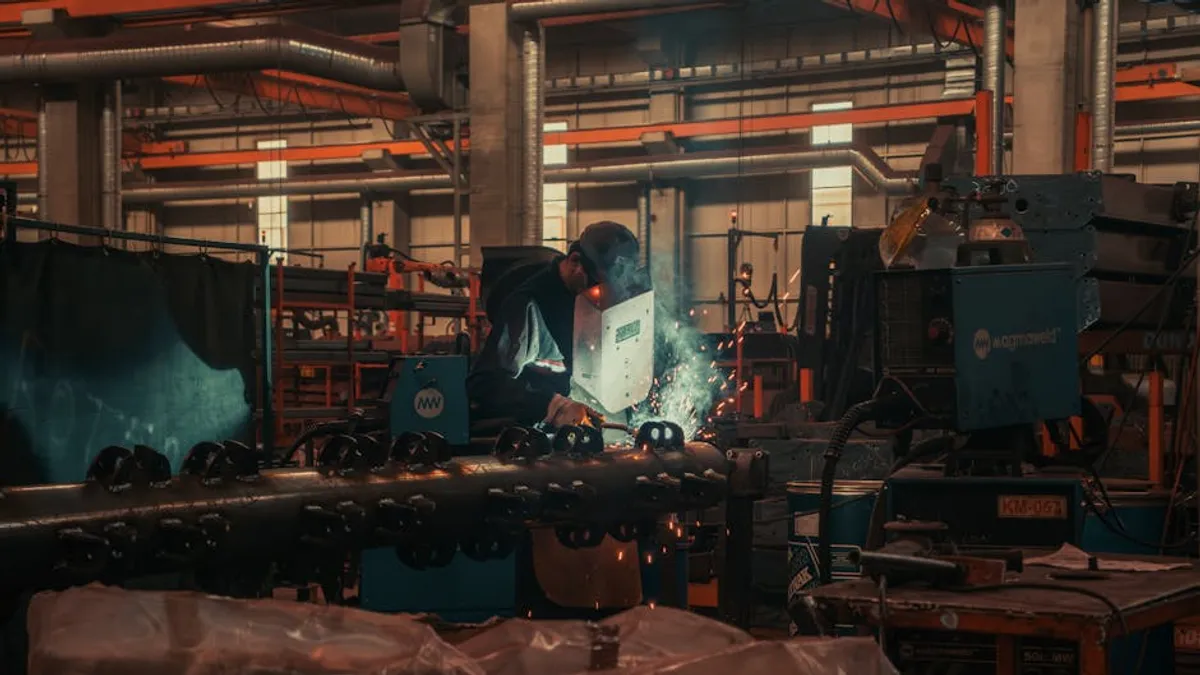
Weldguru, as indicated by its title components "What It Is, Features, Safety, and Alternatives," presents itself as a domain potentially addressing a specific niche within the broader welding industry. Analyzing its search footprint offers insights into how it positions itself to attract users seeking information, solutions, and comparative data related to welding practices and equipment. Understanding the types of content Weldguru publishes, the search queries it targets, and the intent behind those queries is crucial for assessing its current organic visibility and identifying avenues for growth in a competitive industrial landscape.
What Weldguru Appears to Cover
Based on the explicit cues in its profile title, Weldguru's content strategy likely centers on several core pillars. The "What It Is" aspect suggests foundational content, such as definitions of welding processes (e.g., MIG, TIG, Stick), explanations of different types of welds, and introductions to common welding terminology. This aims to capture users early in their research journey, seeking basic understanding.
The "Features" component points to articles detailing specific attributes of welding equipment, materials, or techniques. This could encompass deep dives into power sources, wire feeders, gas types, electrode properties, or advanced functions of modern welding machines. Such content targets users who have moved beyond basic definitions and are evaluating options based on technical specifications and practical applications.
Content around "Safety" is critical in the welding sector. Weldguru likely publishes extensive guides on personal protective equipment (PPE), hazard identification (fumes, UV radiation, electrical shock), safe operating procedures, workshop setup, and emergency protocols. This addresses a highly important, compliance-driven informational need for both amateur and professional welders.
Finally, "Alternatives" implies comparative content. This could involve articles contrasting different welding methods (e.g., MIG vs. TIG for specific materials), comparing brands of equipment, or discussing substitute materials and techniques. This type of content directly addresses commercial investigation intent, helping users weigh options before making purchasing or operational decisions.
Where Its Search Traffic May Come From
Weldguru's organic search traffic would likely originate from a mix of informational and commercial investigation queries. Informational searches would include phrases like "what is TIG welding," "how to prevent welding fumes," or "best welding safety practices." These queries often have lower commercial intent but are vital for establishing authority and capturing a broad audience at the top of the funnel.
Commercial investigation traffic would stem from more specific queries such as "MIG welder features comparison," "alternatives to stick welding for thin metal," or "welding helmet auto-darkening specifications." These users are typically closer to a decision point, actively comparing options and seeking detailed information to inform their choices. Long-tail keywords, combining multiple descriptive terms, are particularly relevant here, as users often articulate precise needs when researching technical equipment or procedures.
Additionally, some traffic may arrive via navigational queries if Weldguru has established brand recognition, with users searching directly for "Weldguru safety guides" or "Weldguru welding machine reviews." The combination of these query types indicates a content strategy aiming to serve users across various stages of their research and decision-making process.
Search Intent Behind the Subject
The search intent Weldguru addresses is multifaceted, reflecting the complex nature of the welding industry. Users seeking "What It Is" content primarily exhibit informational intent, aiming to learn and understand fundamental concepts. For example, a search for "what is duty cycle on a welder" indicates a need for clear, concise explanations.
When users search for "Features," their intent often shifts to commercial investigation or comparative research. They are evaluating products or techniques. A query like "flux-cored vs solid wire welding features" suggests a user weighing the pros and cons of different consumables. This intent requires content that provides detailed specifications, performance metrics, and practical implications.
Safety-related searches are driven by a critical need for accurate, trustworthy information to mitigate risks. Queries such as "welding fume extraction requirements" or "best gloves for TIG welding" demonstrate a strong practical and safety-conscious intent. Content addressing this must be authoritative and actionable.
Finally, "Alternatives" content directly serves users with commercial investigation intent who are comparing different approaches or products. A search for "alternatives to plasma cutting for sheet metal" indicates a user exploring different solutions for a specific task, looking for comparative analysis and recommendations based on various criteria like cost, speed, or material compatibility.
Why Traffic May Rise or Fall
Weldguru's organic traffic patterns are influenced by several factors. A rise in traffic could be attributed to publishing new, in-depth content on emerging welding technologies or safety regulations, securing high-quality backlinks from authoritative industry sites, or receiving positive mentions in trade publications. Timely updates to existing content, ensuring accuracy and comprehensiveness, also contribute to sustained visibility, especially for evergreen topics like basic welding principles or safety standards.
Conversely, traffic declines could result from several issues. Outdated information, particularly in a field with evolving safety standards and equipment, can lead to reduced relevance and lower search rankings. Increased competition from other welding-focused sites, a lack of consistent content production, or negative shifts in search engine algorithms that de-prioritize certain content types can also impact visibility. Technical SEO issues like slow page load times, poor mobile responsiveness, or broken internal links can further degrade user experience and search performance.
How the Site Could Improve Organic Visibility
To enhance its organic visibility, Weldguru could focus on several strategic areas. Expanding its "Features" content to include detailed, hands-on reviews or practical guides for specific equipment models, rather than just generic feature lists, would capture more specific commercial investigation queries. For "Safety," creating comprehensive, regularly updated resources that cite industry standards (e.g., OSHA, AWS) would build significant authority and trust, potentially attracting links and mentions from educational institutions and professional bodies.
Developing more structured "Alternatives" content, perhaps in the form of detailed comparison tables, decision trees, or "versus" articles (e.g., "MIG vs. TIG: Which is Right for You?"), would directly address users at a critical decision-making stage. Implementing schema markup for articles, FAQs, and potentially product specifications (if applicable) would help search engines better understand and present Weldguru's content in rich results, improving click-through rates. Furthermore, fostering a community section or Q&A forum could generate user-generated content, expanding keyword coverage and demonstrating active engagement within the welding community.
What to Check Before Trusting Traffic Estimates
Before relying on third-party traffic estimates for Weldguru, it is crucial to understand their limitations. These estimates are often extrapolations based on sampled data and may not accurately reflect the specific niche or long-tail keyword performance of a specialized domain. They typically do not have access to internal analytics data, which includes precise keyword performance, conversion rates, and user behavior metrics.
To gain a true understanding of Weldguru's search performance, one would need access to its internal Google Search Console data, which provides actual impressions, clicks, average position for specific queries, and technical health reports. Google Analytics (or a similar web analytics platform) would offer insights into user engagement, traffic sources, bounce rates, and conversion paths. Without this first-party data, any external traffic figures should be treated as directional indicators rather than absolute measurements.
Frequently Asked Questions About Weldguru's Content Strategy
What types of welding equipment does Weldguru's content address?
Weldguru's content, particularly within its "Features" category, likely covers a range of welding equipment, including various types of welding machines (MIG, TIG, Stick), plasma cutters, welding helmets, safety gear, and associated accessories, detailing their specifications and applications.
Does Weldguru provide content on welding certifications or training?
While not explicitly stated in the title, a domain covering "Safety" and "What It Is" in welding often extends to educational aspects. It is probable that Weldguru includes content discussing welding certifications, training programs, and best practices for skill development, positioning itself as a comprehensive resource for welders.
How does Weldguru differentiate its safety content?
Weldguru's safety content likely differentiates itself by providing detailed, actionable guides on hazard identification, proper PPE usage, and adherence to industry safety standards. The emphasis would be on practical application and preventing common welding-related injuries or risks.
Are there discussions on welding material compatibility within Weldguru's content?
Given the focus on "Features" and "Alternatives," Weldguru's content would likely include discussions on material compatibility for different welding processes. This would involve guides on welding various metals like steel, aluminum, and stainless steel, and how different techniques and consumables apply to each.
# issues (0)
$ no issues filed yet. be the first — the form is below.