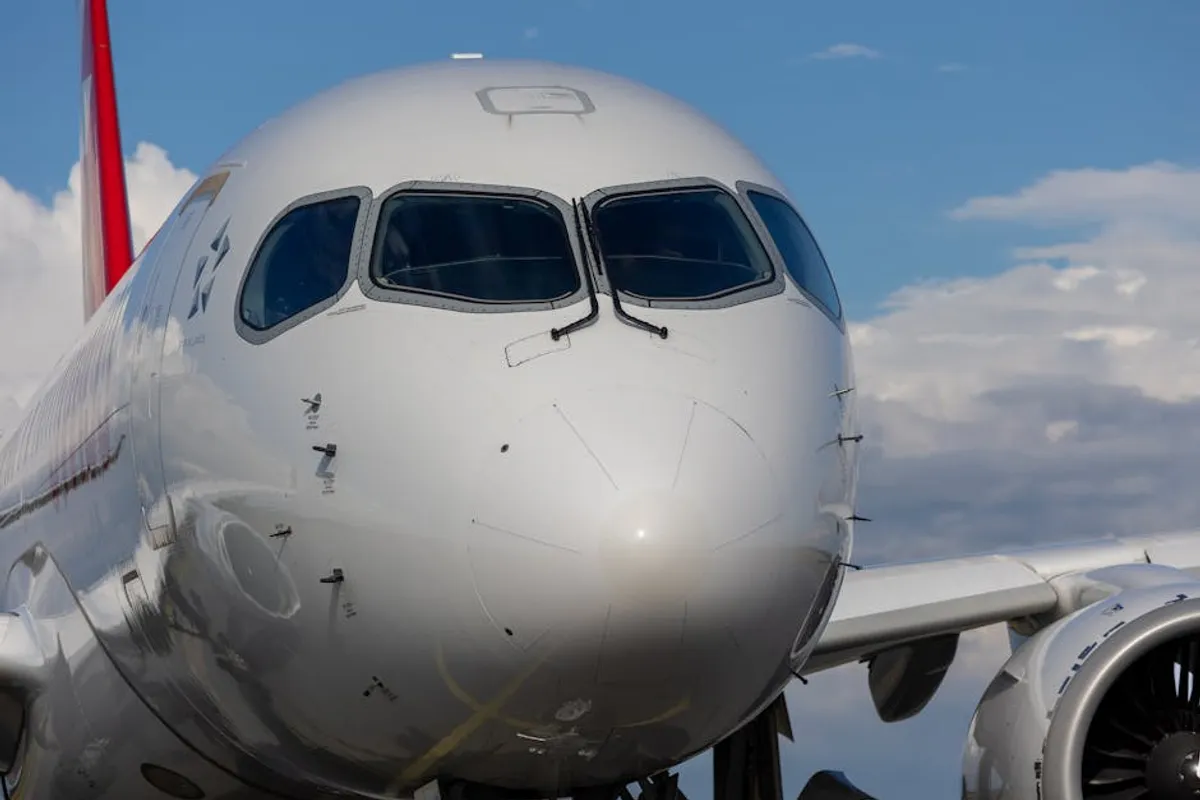
Sustainable Aviation Fuel (SAF) represents a critical component in the aviation industry's decarbonization efforts. For airlines, corporate flight departments, logistics providers, and even governments, understanding SAF is no longer optional; it is a strategic imperative influencing operational costs, regulatory compliance, and brand reputation. This guide details the core aspects of SAF, from its diverse production pathways to the technical specifications and commercial considerations essential for procurement and adoption.
Understanding Sustainable Aviation Fuel
Sustainable Aviation Fuel refers to jet fuel derived from non-petroleum sources that significantly reduces lifecycle greenhouse gas emissions compared to conventional jet fuel. Its composition is chemically similar to fossil jet fuel, making it compatible with existing aircraft engines and infrastructure. The primary goal of SAF is to lower aviation's environmental footprint, addressing both climate change concerns and increasing regulatory pressures.
Key Characteristics:
- Drop-in Compatibility: SAF can be blended with conventional jet fuel without requiring modifications to aircraft or fuel infrastructure, up to specified blend limits.
- Reduced Emissions: Lifecycle emissions reductions typically range from 50% to 80% compared to fossil-derived jet fuel, depending on the feedstock and production pathway.
- Feedstock Diversity: Produced from a variety of sustainable sources, avoiding direct competition with food crops or excessive land-use change.
- Certified Standards: Production and use are governed by stringent international standards to ensure safety and performance.
Major Production Pathways and Types of SAF
The development of SAF encompasses several distinct production technologies, each utilizing different feedstocks and chemical processes. These pathways are certified under international standards, primarily ASTM International, ensuring their suitability for aviation use.
Hydroprocessed Esters and Fatty Acids (HEFA)
Feedstocks: Used cooking oil, animal fats, non-food-grade vegetable oils (e.g., camelina, jatropha).
Process: Hydrotreating, where hydrogen is used to break down triglycerides and fatty acids into paraffinic hydrocarbons.
Current Status: Most commercially mature and widely available SAF type, representing the majority of current production.
Fischer-Tropsch (FT) Synthesis
Feedstocks: Biomass (agricultural waste, forestry residues), municipal solid waste, industrial waste gases, or carbon capture.
Process: Gasification of feedstock to produce syngas (carbon monoxide and hydrogen), followed by FT synthesis to create liquid hydrocarbons.
Current Status: Proven technology with potential for large-scale production, particularly from diverse waste streams.
Alcohol-to-Jet (AtJ)
Feedstocks: Alcohols like ethanol or isobutanol, often derived from agricultural residues or industrial fermentation.
Process: Dehydration and oligomerization of alcohols to produce jet fuel-range hydrocarbons.
Current Status: Emerging pathway with increasing commercialization efforts, offering flexibility in feedstock sourcing.
Direct Air Capture (DAC) and Power-to-Liquid (PtL)
Feedstocks: Atmospheric carbon dioxide (captured via DAC), water, and renewable electricity.
Process: Electrolysis of water to produce hydrogen, combined with captured CO2 and renewable energy to synthesize liquid fuels.
Current Status: Early stage of commercial deployment, holding significant promise for truly carbon-neutral fuel production in the long term.
Key Specifications and Regulatory Standards
For SAF to be used in commercial aviation, it must meet rigorous technical specifications and regulatory requirements. These standards ensure the fuel's safety, performance, and environmental integrity.
ASTM International Standards: The primary global body for aviation fuel specifications. All certified SAF pathways must meet specific ASTM standards, such as ASTM D7566 (Standard Specification for Aviation Turbine Fuel Containing Synthesized Hydrocarbons). These standards define the chemical and physical properties required for jet fuel, including energy content, freezing point, density, and thermal stability. Blend limits (e.g., up to 50% for most current SAF types) are also specified to ensure full compatibility with existing infrastructure and engines.
ICAO CORSIA (Carbon Offsetting and Reduction Scheme for International Aviation): This global scheme aims to stabilize international aviation emissions at 2019 levels. SAF used under CORSIA must meet specific sustainability criteria for lifecycle emissions reductions and avoid negative impacts on land, biodiversity, and water resources. Fuel suppliers must demonstrate compliance with these criteria for SAF to qualify for emissions reduction credits.
Regional and National Mandates: Various governments and regional bodies (e.g., European Union's ReFuelEU Aviation initiative, U.S. SAF Grand Challenge) are implementing mandates and incentives for SAF production and use. These often include specific targets for SAF blending percentages and sustainability criteria that may go beyond international baselines.
Pro Tip: When evaluating SAF suppliers, always request detailed documentation verifying compliance with ASTM standards and relevant sustainability certifications (e.g., ISCC EU, RSB). Non-compliant fuel, regardless of its feedstock, cannot be used in commercial aviation and offers no emissions reduction credit.
Commercial Uses and Strategic Adoption
SAF is currently used by a growing number of airlines and corporate flight departments worldwide. Its adoption is driven by a combination of environmental commitments, regulatory pressures, and stakeholder expectations.
Airlines: Major carriers are increasingly incorporating SAF into their fuel procurement strategies. This includes direct purchases, participation in "book and claim" systems (where the environmental benefits of SAF are decoupled from the physical fuel delivery), and long-term supply agreements. The goal is to meet voluntary and mandated emissions reduction targets, enhancing their environmental credentials.
Corporate Fleets and Private Aviation: Companies operating private jets or fractional ownership programs are also seeking SAF to reduce their carbon footprint. This aligns with broader corporate sustainability goals and investor demands for responsible environmental practices.
Cargo and Logistics: Air cargo operators are adopting SAF to offer greener shipping options, responding to demand from environmentally conscious businesses and consumers. This provides a competitive advantage in a market increasingly sensitive to supply chain emissions.
Government and Military: Several national governments and military branches are exploring and utilizing SAF to enhance energy security, reduce reliance on fossil fuels, and meet their own sustainability objectives for air operations.
Procurement and Buying Considerations
Acquiring SAF involves navigating a complex landscape of supply chains, pricing, and regulatory frameworks. Strategic procurement requires careful planning and due diligence.
Supply Chain Dynamics
SAF production capacity is still limited compared to conventional jet fuel, leading to a constrained supply. Buyers often engage in long-term off-take agreements with producers to secure future supply. Geographic availability also varies, with more mature markets in North America and Europe seeing greater access.
Pricing Models
SAF typically commands a premium over conventional jet fuel due to higher production costs, smaller scale, and the added cost of feedstock sourcing and certification. Pricing models can include fixed premiums over conventional jet fuel prices, indexed pricing, or direct negotiated rates. Understanding the total cost of ownership, including potential carbon credits or regulatory incentives, is crucial.
Blend Ratios and Delivery
SAF is almost always delivered as a blend with conventional jet fuel. The maximum blend ratio is specified by ASTM standards (e.g., 50% for HEFA). Buyers need to understand how the blend is managed, whether at the refinery, distribution hub, or airport fueling point. "Book and claim" systems offer an alternative for buyers to claim SAF benefits without physical delivery to their specific aircraft, contributing to overall decarbonization efforts within a larger fuel pool.
Regulatory Incentives and Support
Many governments offer incentives such as tax credits, grants, or direct subsidies to support SAF production and adoption. Buyers should research available programs in their operating regions to understand potential financial benefits that can offset the higher cost of SAF.
Strategic Adoption of Sustainable Aviation Fuel
The transition to Sustainable Aviation Fuel is a long-term journey for the aviation sector. Organizations considering SAF procurement must engage in comprehensive planning that extends beyond immediate fuel purchases. This includes evaluating the long-term supply outlook, understanding evolving regulatory landscapes, and integrating SAF adoption into broader corporate sustainability reporting. Proactive engagement with fuel suppliers, industry consortia, and policymakers can help secure future supply and influence supportive market conditions. Ultimately, strategic SAF adoption is about balancing environmental responsibility with operational realities and economic viability, positioning an organization for future growth in a decarbonizing industry.
Frequently Asked Questions About SAF
Is SAF truly carbon neutral?
SAF is not entirely carbon neutral, but it offers significant lifecycle greenhouse gas reductions, typically 50-80% compared to fossil jet fuel. The emissions associated with feedstock cultivation, processing, and transportation are accounted for in these lifecycle assessments.
Does SAF affect aircraft performance?
No. SAF is a "drop-in" fuel, meaning it is chemically identical or very similar to conventional jet fuel once processed and blended. It meets the same stringent technical specifications, ensuring no adverse impact on engine performance, maintenance, or safety.
What is the biggest challenge to wider SAF adoption?
The primary challenge is scaling up production to meet demand. This involves securing sufficient sustainable feedstock, building new production facilities, and reducing the cost premium over conventional jet fuel. Policy support and investment are crucial for overcoming these hurdles.
Can SAF be used in any aircraft?
Yes, any aircraft certified to use standard jet fuel (Jet A/A-1) can use SAF blends up to the approved maximum ratio. SAF is blended with conventional jet fuel and distributed through existing infrastructure, making it compatible with the entire commercial fleet.
# issues (0)
$ no issues filed yet. be the first — the form is below.