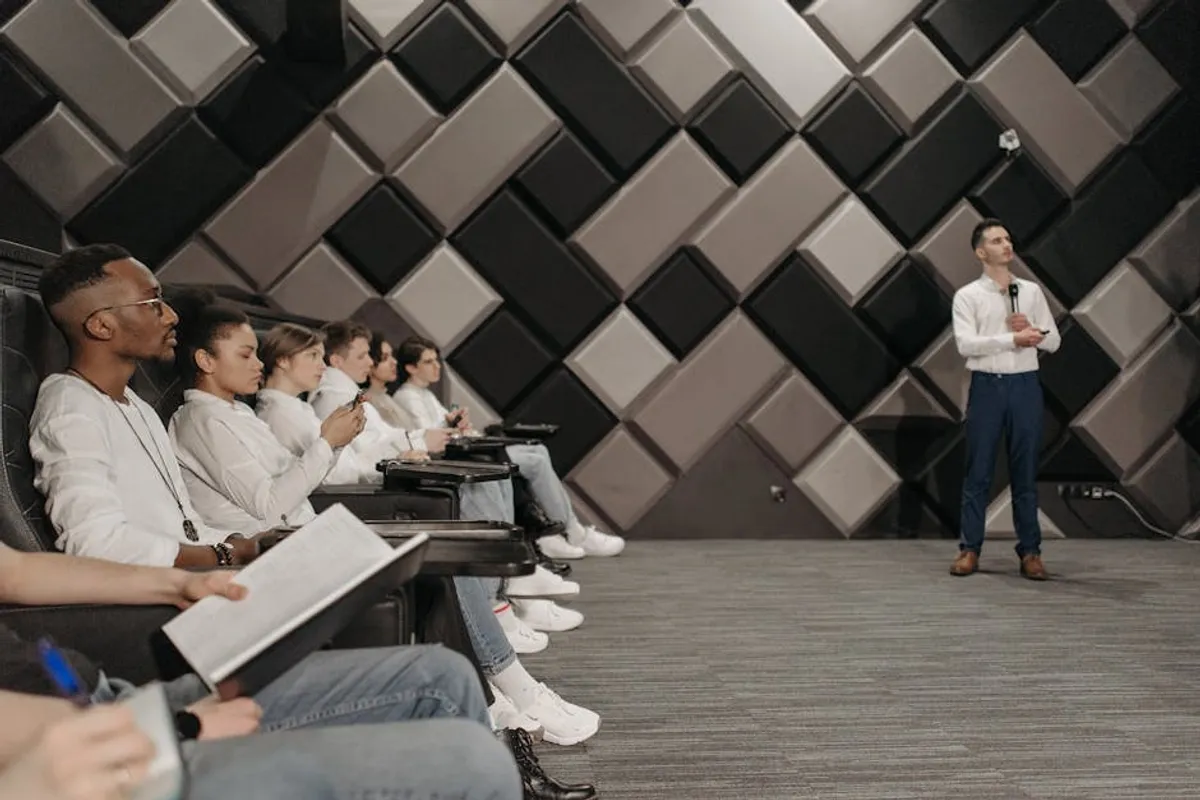
Innovation workshops offer small teams a structured approach to problem-solving and idea generation, critical for navigating competitive markets with limited resources. Unlike large-scale corporate initiatives, small team workshops demand precision in planning, execution, and follow-through to ensure every hour translates into tangible progress. This guide outlines a practical framework for designing, facilitating, and integrating innovation workshops into a small team's operational rhythm, focusing on actionable outcomes over abstract ideation.
Defining Workshop Objectives and Scope
Before scheduling any session, articulate a clear, singular objective. For small teams, diffuse goals lead to fragmented discussions and wasted time. A well-defined objective acts as a compass, guiding all activities and ensuring participants remain focused. For instance, instead of "brainstorm new product ideas," specify "generate three viable solutions for reducing customer churn by 15% within Q3 using existing infrastructure." This level of specificity grounds the workshop in immediate business needs.
- Problem Identification: Clearly state the specific challenge the team aims to solve. This could be a market gap, an internal inefficiency, or a customer pain point.
- Desired Outcome: Define what success looks like. Is it a prototype, a strategic roadmap, a set of prioritized features, or a new process?
- Scope Boundaries: Establish what the workshop will and will not cover. This prevents scope creep and ensures discussions remain relevant to the core objective. For example, a workshop focused on marketing messaging might explicitly exclude product development discussions.
Assembling the Right Participants
Small teams often mean everyone wears multiple hats. For an innovation workshop, this translates into a unique advantage: a diverse set of perspectives can be gathered with fewer people. Select participants not just for their roles, but for their unique insights and willingness to engage. Aim for 4-8 individuals to maintain dynamism without becoming unwieldy. Include individuals from different functional areas—e.g., a developer, a marketer, a sales representative—to ensure a holistic view of the problem and potential solutions.
Key Considerations for Small Teams:
- Cross-Functional Representation: Ensures ideas are evaluated from multiple angles (technical feasibility, market viability, customer impact).
- Decision-Making Authority: Include at least one person who can make or influence decisions related to the workshop's output, streamlining post-workshop implementation.
- Enthusiasm and Open-Mindedness: Crucial for fostering a productive, non-judgmental environment where all ideas are explored.
Structuring the Workshop Agenda
A well-structured agenda is the backbone of an effective innovation workshop, especially when time is a premium. Break the workshop into distinct phases, each with specific activities and time allocations. For small teams, sessions lasting 2-4 hours are often more productive than full-day events, allowing participants to return to their core responsibilities without significant disruption.
Idea Generation Techniques
Move beyond simple brainstorming. Employ structured techniques that encourage diverse thinking and prevent a few dominant voices from monopolizing the discussion:
- Crazy Eights: Participants fold a paper into eight sections and sketch one idea per section in one minute each. This forces rapid ideation and quantity.
- SCAMPER Method: A checklist of prompts (Substitute, Combine, Adapt, Modify, Put to another use, Eliminate, Reverse) to stimulate creative thinking around an existing product or service.
- Worst Possible Idea: Brainstorm the absolute worst solutions to the problem. This often unblocks creative thinking and can reveal hidden assumptions or constraints.
Idea Evaluation and Prioritization
Once ideas are generated, a systematic approach to evaluation is essential. For small teams, this means quickly identifying the most promising concepts that align with resources and objectives.
Pro Tip: Avoid the "loudest voice wins" trap. Implement anonymous voting mechanisms or a structured scoring system (e.g., dot-voting for feasibility, impact, and alignment with objective) to ensure all ideas receive fair consideration, regardless of who proposed them. This fosters psychological safety and encourages future participation.
Practical Tools:
- Impact/Effort Matrix: Plot ideas on a two-axis graph to visualize which ideas offer high impact for low effort, making them prime candidates for immediate action.
- Weighted Scoring: Assign numerical scores to ideas based on predefined criteria (e.g., market potential, technical difficulty, alignment with company values), then sum the scores to rank ideas objectively.
Facilitating the Session
The facilitator's role is to guide the process, not to contribute ideas. For small teams, this role often falls to a team lead or a designated member. Effective facilitation ensures equitable participation, manages time, and keeps discussions on track. A neutral stance is critical for fostering an environment where all voices are heard and valued.
Facilitator Checklist:
- Time Management: Strictly adhere to the agenda's timeboxes. Use a visible timer.
- Active Listening: Paraphrase and summarize contributions to ensure understanding and validate participants' input.
- Conflict Resolution: Address disagreements constructively, focusing on objective facts and the workshop's goal rather than personal opinions.
- Energy Management: Incorporate short breaks, especially during longer sessions, to maintain focus and engagement.
Translating Ideas into Action
An innovation workshop's true value lies in its actionable output. For small teams, this means clear assignments and immediate next steps. Without a robust post-workshop plan, even the most brilliant ideas risk languishing.
Creating an Action Plan
Before concluding the session, dedicate time to outlining concrete next steps. Assign clear ownership for each action item, along with a deadline and defined success metrics. This transforms abstract ideas into measurable tasks.
Essential Action Plan Elements:
- Specific Tasks: Break down chosen ideas into manageable, granular tasks.
- Owners: Assign a specific individual responsible for each task. Accountability drives progress.
- Deadlines: Establish realistic but firm completion dates.
- Success Metrics: Define how the completion and impact of each task will be measured.
Follow-Up and Iteration
Innovation is an iterative process. Schedule a follow-up meeting within a week of the workshop to review progress on action items. This reinforces commitment and provides an opportunity to address any roadblocks. Celebrate small wins to maintain momentum and demonstrate the tangible value of the innovation process.
Sustaining Creative Momentum
Innovation workshops should not be isolated events. For small teams, embedding a culture of continuous innovation means regularly dedicating time for creative problem-solving. This could involve monthly "innovation hours," a dedicated communication channel for new ideas, or rotating facilitation duties to build internal capabilities.
Frequently Asked Questions
How long should an innovation workshop for a small team be?
For small teams, 2-4 hours is often ideal, allowing for focused work without excessive disruption to daily tasks. Longer sessions can be broken into multiple shorter blocks over several days.
What if our small team lacks a dedicated facilitator?
A team lead or a senior member can facilitate, provided they commit to a neutral stance and prioritize guiding the process over contributing ideas. External facilitators can also be cost-effective for critical projects.
How do we measure the success of an innovation workshop?
Success is measured by the tangible outcomes: the number of actionable ideas generated, the progress on assigned tasks, and ultimately, the impact on the initial problem statement (e.g., reduced churn, improved efficiency, new product launch).
What's the most common pitfall for small teams running workshops?
The most common pitfall is a lack of follow-through. Without clear action plans, assigned ownership, and regular check-ins, even the best ideas generated during a workshop will fail to materialize.
# issues (0)
$ no issues filed yet. be the first — the form is below.