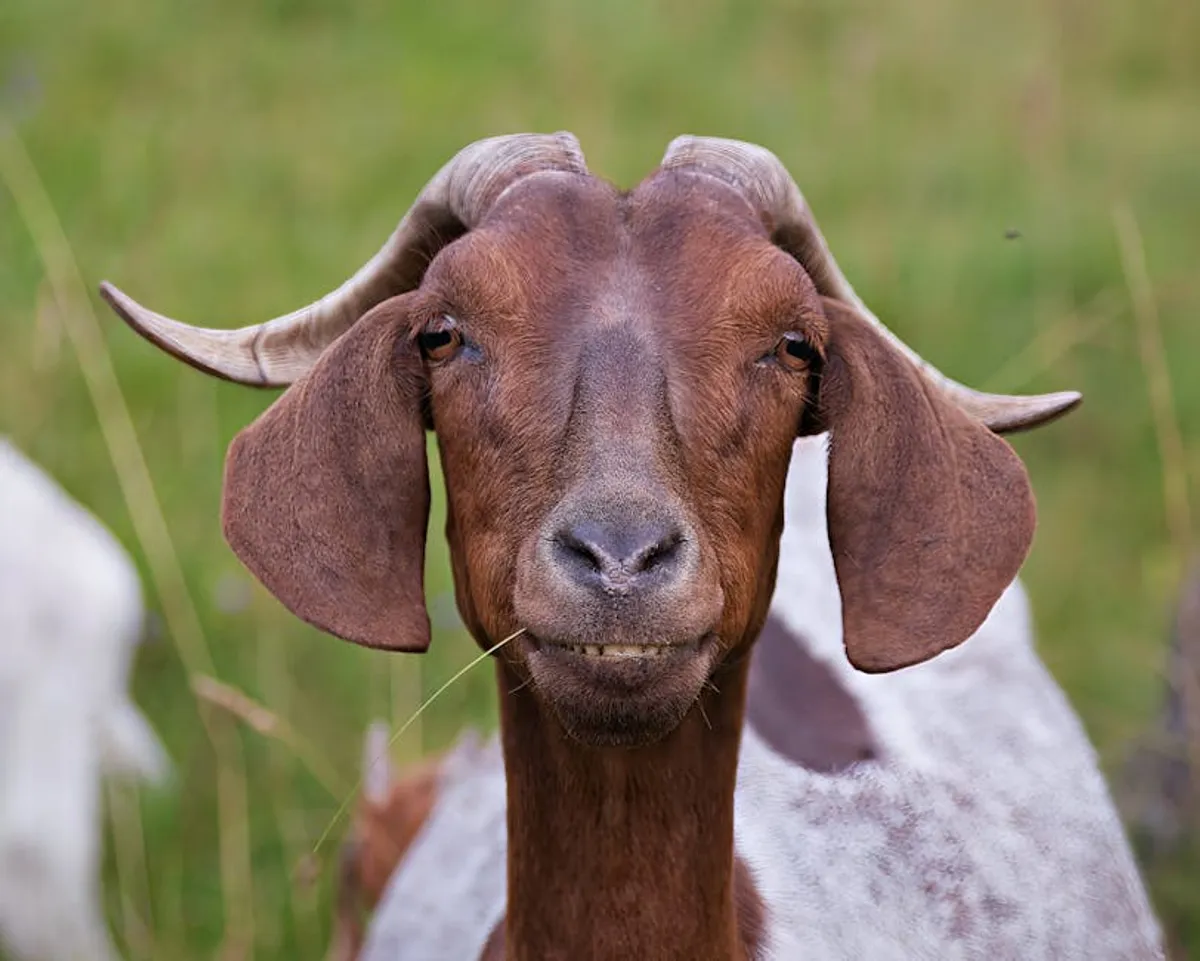
Goat puns, as a specific form of wordplay, operate on the principle of linguistic ambiguity, leveraging words that sound alike but have different meanings (homophones) or words with multiple interpretations. For marketers, content creators, and brand strategists, understanding the mechanics and application of such niche humor offers a distinct advantage in crafting memorable and engaging communications. This isn't merely about juvenile jokes; it's about deploying a precise linguistic tool to enhance recall, differentiate brand voice, and forge deeper audience connections through unexpected wit.
The Linguistic Basis of Goat Puns
A goat pun relies on the phonetic similarity or dual meanings of words related to goats, often twisting common phrases into a new, humorous context. The effectiveness stems from the audience's ability to recognize both the original meaning and the intended pun, creating a moment of cognitive resolution that registers as amusement. This mechanism is not unique to goat puns but is a fundamental aspect of all effective wordplay.
Common linguistic targets for goat puns include:
- Homophones: Words that sound like "goat" or goat-related terms (e.g., "bleat" vs. "bleat").
- Double Meanings: Words like "kid" (young goat vs. child), "billy" (male goat vs. a name), or "nanny" (female goat vs. caregiver).
- Acronyms: The popular "G.O.A.T." (Greatest Of All Time) provides fertile ground for puns that play on both the animal and the superlative.
- Idiomatic Expressions: Phrases that can be subtly altered to include a goat-related word without losing their core meaning, but gaining a humorous twist.
Illustrative Examples of Goat Puns
Effective goat puns are concise and immediately understandable, requiring minimal deciphering from the audience. Their commercial utility lies in their ability to make a message sticky, often leading to increased shareability and brand recall. Here are categories with examples:
Direct Goat-Related Wordplay
These puns directly incorporate terms associated with goats, often in unexpected contexts:
- "Don't get my goat." (Playing on the idiom "get my goat" meaning to annoy someone.)
- "You've goat to be kidding me!" (Using "goat" as a substitute for "got" and "kidding" for young goats.)
- "That's the G.O.A.T.!" (Leveraging the acronym for "Greatest Of All Time.")
- "I'm feeling pretty baa-d today." (Though "baa" is sheep, "bleat" is goat, this demonstrates the sound-alike principle.)
- "It's a baa-rilliant idea." (Similar to the above, demonstrating phonetic substitution.)
Contextual and Situational Puns
These examples integrate goat terms into specific scenarios, making the humor more situational:
- For a product launch: "This new feature is absolutely G.O.A.T.-worthy."
- For a team achievement: "We're herding toward success!"
- For a challenging task: "It's a tough climb, but we'll goat through it."
Pro Tip: The most effective goat puns are often subtle. They don't scream for attention but rather offer a clever wink that rewards the audience for a moment of shared wit. Over-explanation or forced delivery dilutes their impact, making them less memorable.
Related Wordplay and Pun Facilitators
While "synonyms" for puns aren't applicable in the traditional sense, understanding the words and concepts that facilitate goat-themed wordplay is crucial for generating new material. These are not synonyms for "pun" but rather categories of words and ideas that serve as building blocks for goat puns:
- Homophones & Near-Homophones: Words like "got," "gut," "boat," "coat" (for "goat"); "kid," "bid," "did" (for "kid"); "bleat," "fleet," "treat" (for "bleat").
- Goat Characteristics: Terms like "beard," "horns," "hooves," "climb," "graze," "stubborn," "mountain," "farm."
- Goat Terminology: "Billy," "nanny," "kid," "herd," "flock" (often used interchangeably with herd for goats).
- Acronyms & Initialisms: Primarily "G.O.A.T." (Greatest Of All Time).
- Idioms & Phrases: "Get someone's goat," "separate the sheep from the goats."
By mapping these categories, content creators can systematically generate a wider array of pun options, moving beyond obvious choices to more nuanced and creative expressions.
Strategic Integration of Goat Puns in Content and Marketing
Deploying goat puns effectively requires strategic consideration of audience, platform, and brand voice. When used judiciously, they can elevate content beyond mere information delivery into an experience that resonates emotionally and intellectually with the target demographic.
Enhancing Brand Voice and Personality
Brands aiming for a playful, witty, or approachable persona can integrate goat puns into their communication strategy. This contributes to a distinctive brand voice that stands out in a crowded digital landscape. For example, a startup focused on outdoor gear might use "We're the G.O.A.T. when it comes to climbing essentials" to convey both quality and humor.
Driving Engagement on Social Media
Short, shareable goat puns are ideal for social media platforms. They can serve as engaging captions, prompt user interaction, or become part of viral campaigns. A well-crafted pun can significantly increase likes, comments, and shares, extending organic reach without direct ad spend.
Creative Content Titles and Taglines
Blog post titles, article headlines, and product taglines benefit from the memorability of a good pun. A title like "Goat Your Attention? How Puns Elevate Your Content Strategy" immediately sparks curiosity and hints at the article's playful yet informative tone. Similarly, a tagline for a dairy product might be "Our cheese is the G.O.A.T.!"
Niche Marketing and Community Building
For brands operating in niche markets related to agriculture, pets, or even specific sports (given the "G.O.A.T." acronym), goat puns can foster a sense of belonging and inside humor within the community. This strengthens brand loyalty and encourages advocacy among enthusiasts.
Considerations for Implementation
While powerful, goat puns are not universally applicable. Overuse can lead to fatigue, and inappropriate placement can dilute a brand's seriousness. A/B testing different pun-laden messages can provide data-driven insights into audience reception and optimize deployment for maximum impact.
Optimizing Your Wordplay Strategy
The strategic deployment of goat puns, like any specialized linguistic tool, requires an understanding of its mechanics, a repertoire of examples, and a clear vision for its application. By treating puns not as mere jokes but as calculated elements of your communication strategy, you can harness their power to create more memorable, engaging, and ultimately, more effective marketing and content.
Frequently Asked Questions About Goat Puns
What makes a goat pun effective?
An effective goat pun is concise, relevant to the context, and easily understood by the target audience without requiring excessive mental effort. It creates a moment of surprise and amusement by cleverly playing on double meanings or phonetic similarities related to goats.
Can goat puns be used in formal business communication?
Generally, goat puns are best reserved for informal or semi-formal communication, marketing, and content designed to entertain or build brand personality. In highly formal business documents or serious corporate announcements, their use could undermine credibility or be perceived as unprofessional.
How can I generate new goat pun ideas?
Start by brainstorming words and phrases associated with goats (e.g., "kid," "bleat," "herd," "climb," "G.O.A.T."). Then, consider common idioms or phrases that can be subtly altered to incorporate these terms. Experiment with homophones and words with multiple meanings to uncover creative connections.
Are goat puns suitable for all audiences?
While generally lighthearted, the suitability of goat puns depends on the specific audience and their cultural context. Younger, digitally native audiences often appreciate wordplay, whereas older or more traditional demographics might prefer more direct communication. Always consider your audience's preferences and humor sensibilities.
# issues (0)
$ no issues filed yet. be the first — the form is below.